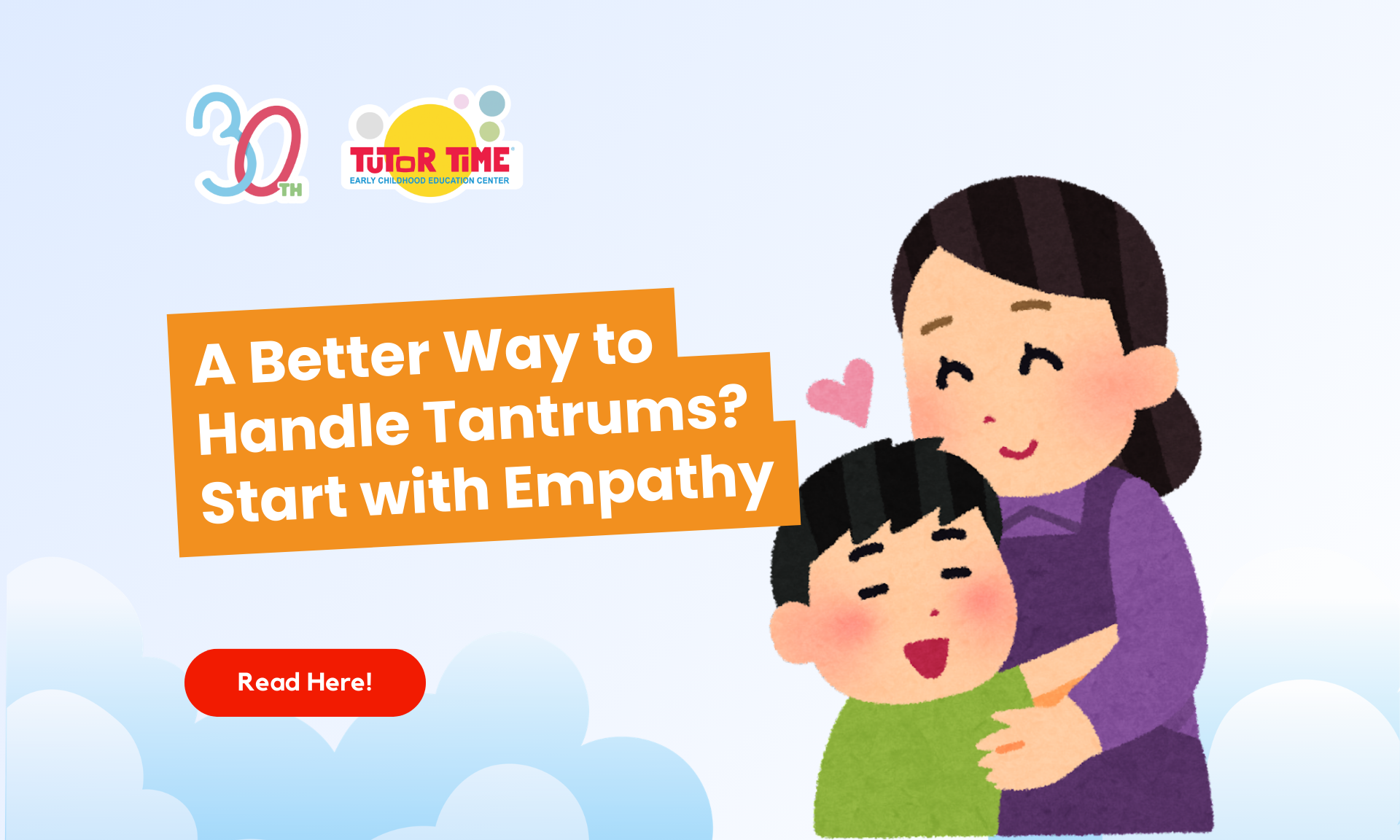
When a child is in the middle of a tantrum, the instinct to lecture, correct, or say “stop crying” can be strong—especially when emotions are running high for everyone involved. But in those heated moments, what children often need most is not discipline or reasoning. They need someone who understands how big their feelings are.
Responding with empathy can make a powerful difference. When children feel heard and supported, their emotional storm tends to pass more quickly. Instead of escalating the situation, empathy helps calm it.
Young children are still learning how to handle frustration, disappointment, and anger. Their brains are developing the skills needed for emotional regulation, which means that when feelings become overwhelming, they may express them through crying, yelling, or physical reactions. While these moments can be challenging, they also present opportunities for parents to teach children how to navigate their emotions in healthy ways.
Why Empathy Works During Tantrums
Empathy helps children feel safe during moments when they feel out of control. When parents acknowledge their child’s feelings, it reassures them that emotions—even difficult ones—are acceptable and manageable.
Responding with empathy does not mean allowing inappropriate behavior. Instead, it means acknowledging the feeling while guiding the behavior.
For example, you might say:
- “I see that you’re really upset.”
- “You’re sad because playtime is over.”
- “It’s okay to feel angry. I’m here to help.”
- “That was frustrating, wasn’t it?”
These simple statements help children feel understood, which can often reduce the intensity of their reaction.
Research in early childhood development shows that supportive and responsive parenting helps children develop stronger emotional regulation skills over time. When children regularly experience empathy from adults, they gradually learn how to identify and manage their own emotions.
Here are some simple ways to show empathy during a tantrum:
1. Stay Calm and Present
Children often mirror the emotions of the adults around them. When parents remain calm and speak gently, it helps prevent the situation from escalating.
Take a deep breath and remind yourself: your child isn’t giving you a hard time—they’re having a hard time.
2. Acknowledge the Feeling First
Instead of immediately correcting the behavior, first recognize the emotion behind it.
You can say something like:
“I know you’re frustrated because you wanted that toy.”
Feeling understood helps children calm down and become more open to guidance.
3. Offer Comfort and Reassurance
Some children need a hug, a gentle touch, or simply your presence nearby. Others may prefer a little space to settle themselves.
What matters most is that your child knows you are there to support them, not punish them for having emotions.
4. Talk About It After the Storm
Once your child has calmed down, that’s the best time to talk about what happened.
You can help your child reflect by asking simple questions like:
- “What made you upset?”
- “What could we do next time?”
These conversations help children build emotional awareness and problem-solving skills.

Growing Through the Tough Moments
Tantrums can be overwhelming, but they are also important learning moments for young children. Each time parents respond with patience and empathy, children gain a little more confidence in understanding and managing their feelings.
Of course, empathy is just one part of helping children navigate big emotions. Practical strategies can also make a difference in reducing the frequency and intensity of tantrums. If you have a toddler and would like more ideas, you can also explore our tips in “Keep Calm and Tame Your Toddler’s Tantrums,” where we share simple steps parents can try to help children cope with emotional outbursts.
With empathy, guidance, and consistency, even the toughest tantrum can become an opportunity to strengthen your child’s emotional skills—and your connection with them.
Recommended Reading for Parents:
written by Shandy Lwieka,
Tutor Time Indonesia